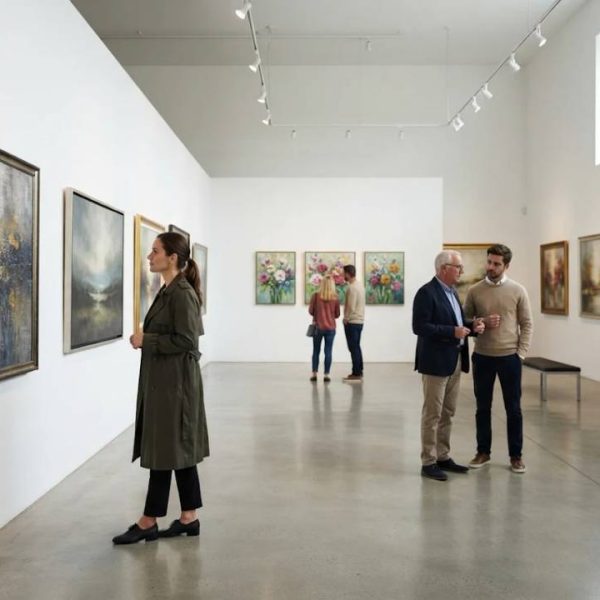
A painting needs no translation, but everything written about it does. Wall labels, catalogs, audio guides, press releases and websites all shape how visitors understand an artwork. When museums and galleries welcome international audiences, language becomes part of the exhibition itself, and weak translation can spoil even the strongest show.
Why Art Texts Are Special
Art writing mixes history, technique, emotion and metaphor. A curator may describe light, rhythm or tension in ways that have no direct equivalent in another language.
A good art translator recreates the feeling of the original text, not only its facts, and that takes sensitivity as well as vocabulary.
Wall Labels
Labels must be short, clear and easy to read while standing. Translation often changes the length, so layouts need flexibility.
Keep titles, dates, materials and credits consistent across languages.
Exhibition Catalogs
Catalogs include essays, biographies and technical notes. They are read slowly and kept for years, so quality matters.
Editors should review translations with the same care as the original.
Artist Statements
Artists often use personal or poetic language. Translators discuss meaning with the artist when possible and avoid flattening the voice.
Approve final versions before printing.
Titles of Works
Decide whether to translate titles, keep the original or show both. Some titles are wordplay and need explanation.
Follow a consistent policy across the exhibition and publications.
Art History Terminology
Style names, techniques and movements have established equivalents in many languages. Translators must know them to avoid awkward inventions.
Reference works and glossaries from museums help ensure accuracy.
Audio Guides and Videos
Spoken guides need natural rhythm and clear pronunciation of names. Scripts should be written to be heard, not read.
Use native voice artists and test timing with the artwork in view.
Museum Websites and Apps
Visitors plan trips online, so opening hours, ticket rules and accessibility information must be accurate in each language. Interactive features need short strings and context.
Test pages on mobile devices.
Press Releases and Marketing
Journalists need clear summaries, quotes and images. Marketing copy for tourists should feel inviting in each language.
Adapt tone to cultural expectations instead of copying the original.
Working With Central European Languages
Hungarian, Czech and Polish have long art traditions and complex grammar. Institutions exchanging exhibitions often need english to hungarian translation for catalogs and loan agreements.
Native review ensures names and dates are correct.
Translation as Craft
Good translation combines careful analysis with creative choices. Our reflection on translation as an art and science shows why the best results come from people who love both language and ideas.
Give translators time to research.
Loan Agreements and Legal Texts
Museums sign contracts for loans, insurance and transport. Terms must be exact, and translations should be reviewed by legal experts.
Mistakes here can be costly.
Condition Reports and Technical Notes
Conservators describe damage and materials with specific terms. Translators should work with approved vocabulary.
Include units and measurements without changes.
Accessibility in Museums
Easy-to-read texts, large print and sign language support welcome more visitors. Translations should keep these formats in mind.
Professional bodies such as the International Council of Museums promote inclusive practice and ethics.
Educational Programs
School worksheets, workshops and family guides need age-appropriate language. Translate with the audience in mind.
Pilot materials with teachers.
Social Media and Public Outreach
Short posts, hashtags and captions reach new audiences. Translations must be quick but careful, since errors spread widely.
Plan a review workflow.
Managing Terminology
Create a glossary of artist names, technical terms and recurring phrases. Share it with every translator and designer.
Consistency improves quality across materials.
Proofreading and Layout
Check names, dates and captions in the final layout. Accents and special characters often break during design.
Print proofs for important publications.
Budget and Timeline
Translation should be planned early, not squeezed in before opening day. Allow time for review and corrections.
Include language costs in the exhibition budget.
Final Advice
Treat translation as part of curation. Choose experienced professionals, give them context and review the results.
When words and works support each other, every visitor leaves with a richer experience.
Digital Exhibitions
Online exhibitions reach people who cannot travel. Provide texts in several languages and descriptions for visually impaired visitors.
Keep content updated.
Collaborating With Artists Abroad
International residencies and exchanges need contracts, proposals and statements in more than one language. Clear communication builds trust.
Agree on a working language for correspondence.
Guides and Docents
Guides can use short multilingual summaries to support international groups. Training and printed cards help them answer common questions.
Collect visitor feedback.
Archiving and Research
Museums keep records, letters and notes that scholars use. Translations of archival material open new research, but need annotation and care.
Preserve originals alongside translations.
Choosing a Specialist
Look for translators with arts and humanities backgrounds. Ask for samples from museums, galleries or publishers.
A trial text shows whether they understand your voice.