Keeping Brand Voice Consistent Across Business Documents
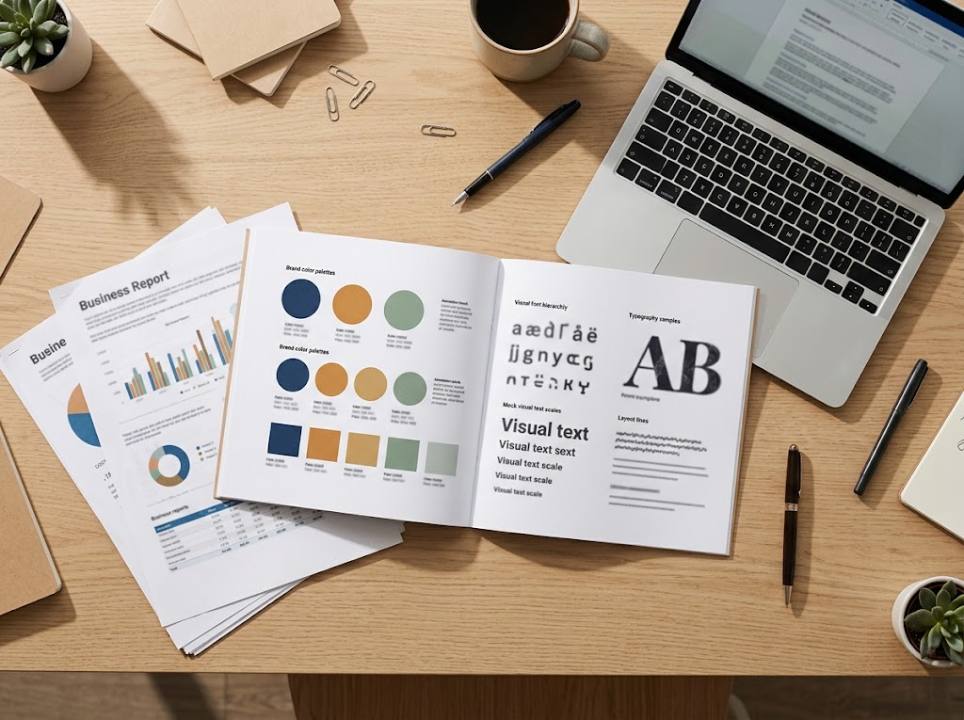
Customers notice when a company sounds like two different businesses. The English website is warm and confident, but the translated proposal reads like a legal notice. The annual report sounds polished in one language and stiff in another. These gaps chip away at trust, even if every sentence is technically correct.
Keeping a consistent brand voice across languages is not only a marketing concern. It applies to every document a company sends out, from sales decks to supplier contracts.
What Brand Voice Means in Practice
Brand voice is the personality a company shows in writing. It covers how formal the language is, how long the sentences are, whether the company uses "we" and "you", and how it handles humour, technical detail and bad news.
A voice that is only defined in English will drift the moment it is translated. Each language has its own conventions for politeness, directness and formality, so the voice has to be defined again for each market.
Start With a Multilingual Style Guide
A style guide is the most useful tool a company can give its translators. A good one includes:
- Tone rules, for example "friendly but never casual" or "expert without jargon".
- Forms of address, such as when to use formal or informal "you" in German, French or Spanish.
- Preferred terms for products, services and job titles.
- Words to avoid, including competitor names and outdated terms.
- Formatting rules for dates, numbers, currencies and units.
Specialist business translation services often help clients build these guides, because they see the same questions come up across many projects.
Different Documents, Same Personality
Not every document should sound identical. A product brochure can be lively, while a contract must be precise. The goal is not to make everything sound the same, but to make everything sound like the same company.
Sales and marketing material
Proposals, case studies and presentations carry the most visible voice. Translators should have access to the English originals as well as earlier translated versions, so phrases stay consistent from one document to the next.
Financial reports
Annual reports, investor updates and ESG statements combine strict terminology with a narrative that explains the company's direction. Using financial translation services ensures that terms such as revenue, EBITDA or impairment are rendered according to accepted accounting language in each market, while the commentary keeps the company's tone.
Internal communication
Policies, training material and newsletters reach employees in many countries. Staff notice quickly if their version feels like an afterthought. Consistent, well-translated internal content supports a shared company culture.
Reaching Communities in Their Own Language
Companies in the UK, the Gulf and North America often serve large South Asian communities. A retailer, bank or utility that communicates in Urdu shows respect and builds loyalty. Working with an experienced urdu translator means the brand's voice comes through in the right script, with the right level of courtesy, rather than as a stiff word-for-word rendering.
Tools That Protect Consistency
Translation memory and terminology databases store approved translations and reuse them automatically. When a sentence or term appears again, the translator sees how it was handled before. This saves money and keeps wording stable across hundreds of documents.
The international standard ISO 17100 sets requirements for translation services, including revision by a second linguist. Asking whether a provider follows it is a quick way to check their process.
Review by Local Colleagues
Local sales or marketing staff are often the best judges of whether a translation sounds right. Involve them, but give them clear guidance. Their job is to flag anything that feels off-brand or culturally awkward, not to rewrite every sentence to match personal taste.
Collect their feedback in the style guide so it benefits future projects, rather than living in scattered email threads.
Common Pitfalls
- Using different translators for every project without sharing reference material.
- Translating from outdated source documents.
- Leaving taglines and product names to each local office to decide.
- Skipping review because the deadline is tight.
Each of these leads to a patchwork of voices that confuses customers and weakens the brand.
Measuring Consistency
Run a simple audit once a year. Pick five documents per language, read them side by side and score them against the style guide. Note where terms differ, where tone shifts and where formatting breaks the rules. Share the results with your language partner and agree on fixes.
Brief Translators Like Copywriters
Translators produce better work when they understand why a document exists. Before each project, share who will read it, what the reader should do next and how the document fits into the wider campaign or deal. A one-paragraph brief is often enough. It turns a mechanical task into a writing task, and the difference shows in the final text. Teams that brief consistently also find that fewer review rounds are needed, which shortens turnaround and lowers costs.
Final Thoughts
A strong brand voice is built sentence by sentence, in every language the company uses. With a multilingual style guide, the right tools and a reliable translation partner, businesses can sound like themselves wherever their documents travel.